







Search Results for: botanical classification
A Complete Guide to Arabica Coffee: From Botanical Classification to Variety Characteristics and Origin Distribution
What exactly does a coffee tree look like? What is the essential difference between Arabica and Robusta? Starting from botanical classification, this article systematically sorts out the complete classification system of the genus Coffea and explains in detail the origins, growing conditions, flavor characteristics, and main subspecies of the two major commercial varieties, Arabica and Robusta. You will learn about the anatomical structure of the coffee cherry, the spread paths of classic subspecies such as Typica and Bourbon, and the genetic connections between Yunnan small-bean coffee and Blue Mountain and Kona. Whether you are a beginner enthusiast or a seasoned professional, this basic knowledge about coffee varieties is worth reading. Front Street Coffee will also recommend variety information worth paying attention to in this article. [more…]

Analysis of Coffee Tree Potted Cultivation and Growing Region Conditions: From Plant Classification to Artificial Planting Practices
Coffee, this everyday beverage, originates from the fruit of the coffee tree. This article begins with its botanical classification and systematically examines the origins, growth habits, and suitable cultivation regions of the coffee tree. The coffee tree belongs to the genus Coffea in the family Rubiaceae and is an evergreen shrub, naturally distributed across the "Coffee Belt" between the Tropic of Cancer and the Tropic of Capricorn. Beyond commercial cultivation, the coffee tree can also be grown as an ornamental potted plant, displaying its unique charm in artificial environments. The article will explain in detail the coffee tree's growth cycle, pruning management, and planting applications in coffee shops, accompanied by multiple images to aid explanation, helping coffee enthusiasts gain a more comprehensive understanding of this plant's natural and cultivated growing requirements. [more…]
What Are the Fundamental Differences Between Coffee and Soy Milk? A Coffee Basics Guide from Plant Classification to Brewing Techniques
Coffee and soy milk are often compared with each other, but the two are actually completely different from plant source to production method. This article starts with botanical classification, sorting out the fundamental differences between the coffee tree and the soybean, then compares the water-grinding and filtration process of soy milk with the process coffee must go through—roasting, grinding, and brewing—and further explains the sources of coffee's four flavors: acidity, bitterness, sweetness, and body, as well as the significance of the oils on the coffee surface for espresso. The article also introduces the four common stages of coffee roasting, helping beginners build a systematic framework for understanding coffee, making it suitable for enthusiasts new to coffee and baristas as an introductory reference. [more…]
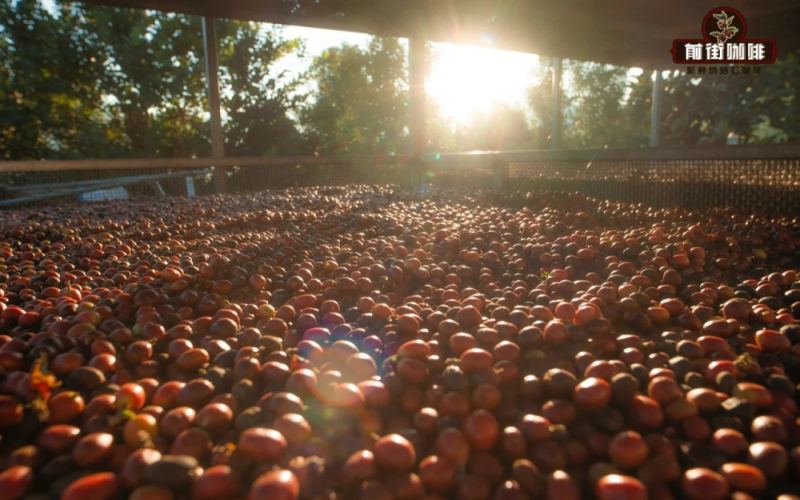
A Complete Analysis of the Three Major Coffee Varieties: Distinguishing Large-Bean, Medium-Bean, and Small-Bean Coffee and the Classification of Yunnan Small-Bean Coffee
The coffee world is vast and complex. Under botanical classification alone, there are more than a hundred species, yet the cultivated varieties actually used for drinking mainly fall into three major categories: Arabica (small-bean), Robusta (medium-bean), and Liberica (large-bean). Each possesses unique botanical characteristics, growing conditions, and flavor profiles, and their yields and commercial value differ greatly. Yunnan, as China's representative coffee-producing region, grows coffee that belongs to which category? Why is it called "Yunnan small-bean coffee"? This article will systematically outline the key distinctions among the three major coffee varieties, provide an in-depth answer to the varietal classification of Yunnan small-bean coffee, and also present Front Street Coffee's Yunnan Typica and espresso blend recommendations. [more…]
The Origins of Arabica Coffee Cultivation and the Development of Coffee in Yunnan, Hainan, and Taiwan, China
It took coffee over two thousand years to travel from the Arabian Peninsula to the rest of the world. This article traces the spread of coffee cultivation, from the Arabs' first plantings in 525 BC, to its introduction to Eurasia in the 15th century and its spread across the tropics by the 18th century. It also focuses on the introduction and rise of coffee in China—Taiwan led the way in 1884, Hainan saw it brought back by overseas Chinese in the early 20th century, and Yunnan's Arabica coffee, thanks to the terroir advantage of large day-night temperature differences, has developed a unique style that is rich without being bitter, aromatic without being harsh, and carries fruity notes, praised by international coffee traders as being of superior quality. The article also introduces the botanical classification and growing conditions of the coffee tree. [more…]
What Exactly Do Ethiopian Coffee Heirloom Varieties Mean? Explaining the Meaning of Heirloom Coffee and Analyzing the Main Arabica Varieties
In the world of coffee, Ethiopian coffee is often labeled as "native species" or "heirloom" — but what exactly do these two terms mean? Starting from botanical classification, this article sorts out the differences among the three major cultivated species: Arabica, Robusta, and Liberica, and introduces one by one the origins and bean characteristics of common varieties such as Typica, Bourbon, Caturra, Geisha, and Pacamara, helping coffee enthusiasts understand the varietal lineage behind coffee beans. In this article, Front Street Coffee will also share knowledge to guide you in discovering the unique qualities of these varieties in terms of flavor and cultivation. [more…]
From Botanical Characteristics to Harvesting and Processing: Essential Knowledge and Coffee Bean Understanding for Coffee Beginners
For those who are new to coffee, understanding its essence, botanical characteristics, growing conditions, and harvesting process is the first step toward building systematic knowledge. This article will unfold around the basic concepts of coffee, sorting through key points one by one—from the morphology of the coffee tree, variety classification, and suitable growing environment, to the harvest periods and green bean processing methods of major global producing regions. The article also covers related product information recommended by Front Street Coffee, as well as the specific practices of Macado specialty beans in quality control. Whether you are a coffee enthusiast or a barista just starting out, this content can help you more clearly understand the full story behind a cup of coffee. [more…]
Coffee Encyclopedia: A Complete Analysis of Global Coffee Bean Species Classification, Major Producing Regions, and the Flavor Characteristics of Classic Bean Varieties
The world of coffee beans is far richer than we might imagine. From the three botanical original species—Arabica, Robusta, and Liberica—to dozens of origins across Latin America, Africa, the Middle East, and Asia-Pacific, and on to classic single-origin beans such as Blue Mountain, Mandheling, and Mocha, every bean carries the imprint of its terroir and craftsmanship. This article systematically sorts through the original species classification of coffee beans, the world's major producing regions, and representative bean varieties, and explains in detail the taste characteristics and roasting suggestions of famous coffee beans. Whether you are a beginner enthusiast or a seasoned player, this guide can help you understand the cup of coffee in your hands more clearly. If you want to put it into practice, you can follow Front Street Coffee's related product recommendations. [more…]
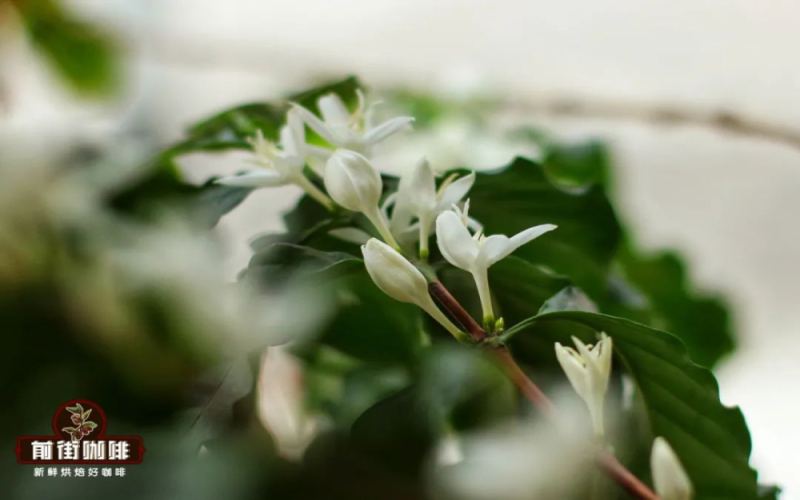
What color are coffee flowers? How long does the flowering period last? And how long does it take from flowering to forming coffee beans?
The blooming of the coffee tree is a sight rarely seen by many coffee lovers. The coffee tree at Front Street Coffee has bloomed once again after a year, and in about two to three months it will bear fruit. What exactly does the coffee flower look like, and what color is it? How long does the flowering period last? How long does it take from the flower fading to growing into coffee beans? This article starts from the botanical classification and aroma characteristics of the coffee flower, extends to the white floral notes in the cup, and analyzes the patterns of floral aroma in roasting and brewing, giving you a complete understanding of this small white flower that closely resembles jasmine. [more…]
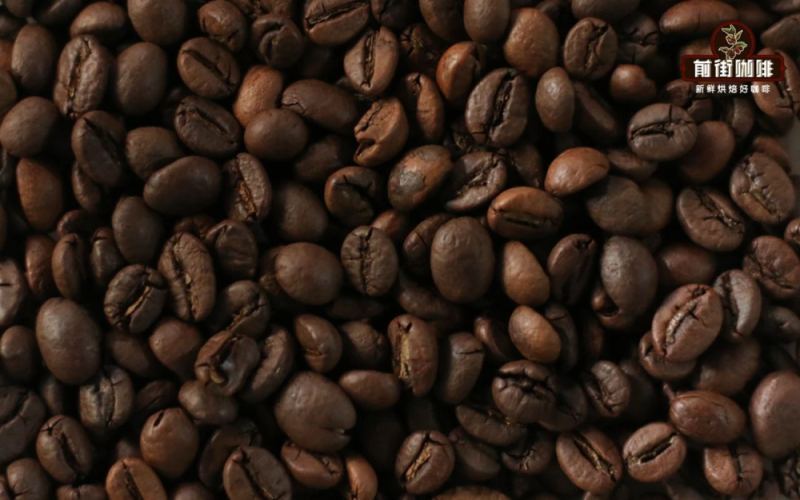
A Full Analysis of Robusta Coffee's Pros and Cons: Can It Be Used for Instant Coffee? How Is It Different from Arabica?
In the coffee world, Arabica has long dominated the mainstream, but there is one variety that, although rarely seen in daily life and not particularly appealing in flavor, plays an indispensable role in the market—Robusta, often called "Rob" by those in the know. How has it managed to survive in the specialty coffee era? What are its pros and cons? Is Robusta suitable for making instant coffee? From Front Street's perspective, this article comprehensively dissects the true face of Robusta—from botanical classification, growing conditions, and flavor characteristics to commercial applications—and introduces a Front Street commercial blend coffee bean that easily produces a beautiful espresso, helping you recreate the taste of a café at home. [more…]
A Complete Analysis of Bourbon Coffee Flavor Characteristics: A Practical Guide from Variety Origins to Tasting, Pour-Over, and Espresso Blends
Bourbon is one of the two core branches of Arabica and is especially common in American growing regions. Starting from botanical classification, this article sorts out the relationship between Bourbon and Typica, reviews its global spread from Yemen via Réunion Island, and explains the plant, bean shape, and flavor characteristics. Combining Front Street Coffee’s roasting and cupping experience, the article also summarizes how Bourbon green beans tend to be smaller, rounder, and shorter, with prominent sweetness and nutty, creamy notes, and offers drinking suggestions suitable for pour-over or espresso blends, helping enthusiasts gain a comprehensive understanding of this classic variety. [more…]
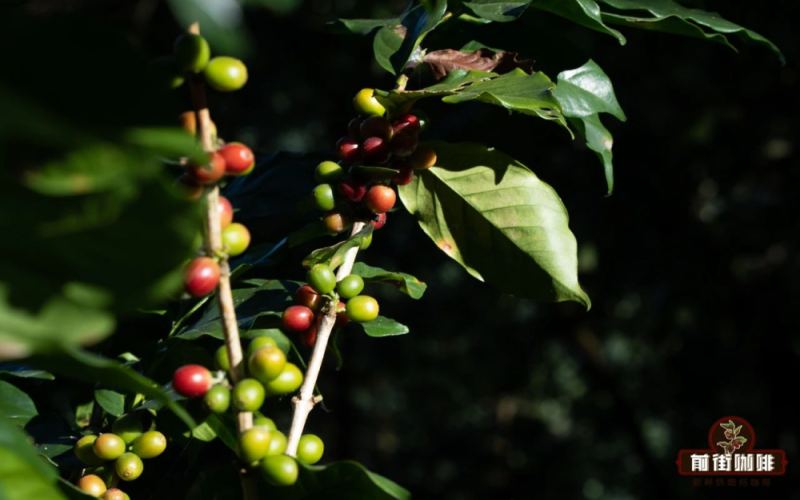
Do Bourbon coffee beans belong to Arabica? A detailed explanation of variety classification, flavor characteristics, and the differences between Red and Yellow Bourbon
Bourbon is one of the varieties with the greatest cultural and genetic value in the Arabica coffee system, and together with Typica, it laid the foundation for modern Arabica cultivation. This article traces Bourbon's spread from Yemen to Bourbon Island and then to Brazil and Central and South America, outlines its botanical characteristics and yield advantages, and focuses on the flavor differences among mutant varieties such as Red Bourbon and Yellow Bourbon. At the same time, by combining Front Street Coffee's Brazil Cerrado Red Bourbon and Brazil Queen Estate Yellow Bourbon, it presents the aroma, acidity, and mouthfeel of different Bourbons grown at high altitudes, helping coffee enthusiasts gain a more systematic understanding of this classic variety. [more…]

How are Coffea canephora Robusta coffee beans roasted? What coffee beans does Starbucks use?
In the world of coffee, the two major species, Arabica and Robusta, underpin the flavors in most people's cups. Robusta, also known as Coffea canephora, originated in the Congo Basin of Africa. It is widely cultivated because it tolerates low altitudes, resists pests and diseases, and yields high harvests, and it often appears in instant coffee and espresso blends. Its caffeine content is about twice that of Arabica, its chlorogenic acid is higher, and its flavor tends toward the full-bodied and deep, with notes of walnut, peanut, and grain. This article from Front Street Coffee sorts out Robusta's origins, botanical classification, advantages, and shortcomings, and retains the information on the Vietnamese Robusta beans used in Front Street's commercial blends, helping coffee enthusiasts understand this bean more clearly for what it really is. [more…]
A Complete Guide to Coffee Bean Varieties: From Typica to Hybrids, Understanding the Family Tree and Flavors of Specialty Coffee in One Article
The coffee plant family is vast, with over a hundred known species, but the ones that truly take the stage in specialty coffee are mainly Arabica and its many derived varieties. From the ancient Typica of Ethiopia, to the Bourbon mutation of Yemen, to the pointed Bourbon born in laboratories, and the Geisha that has dominated cupping competitions in recent years, behind each variety lies a story of migration and domestication. This article systematically organizes coffee's botanical classification, the origins and flavor characteristics of major varieties, and explains in detail the differences between genetic mutations, intraspecific hybrids, and interspecific hybrids, helping coffee enthusiasts build a complete framework for understanding varieties. The article also specifically points out that even the same variety can perform vastly differently on different estates, which is one of the reasons specialty coffee emphasizes traceability of origin. [more…]
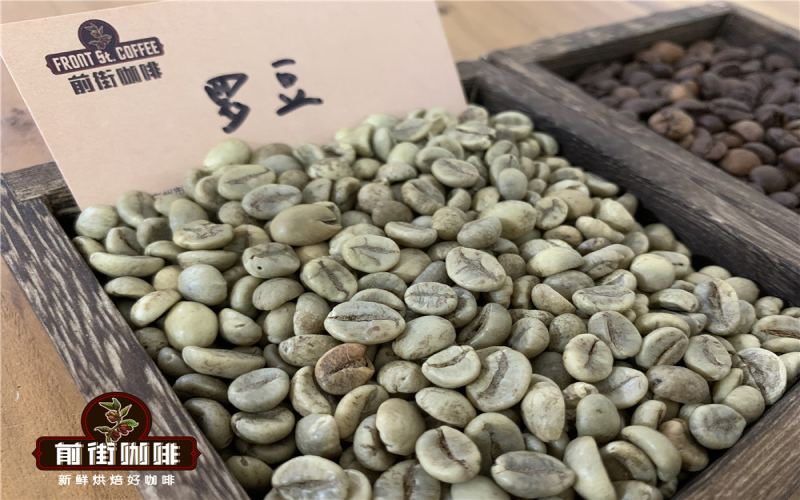
An Analysis of Robusta Coffee Bean Derivative Varieties and Cultivation Advantages: The Complete Lineage from Canephora to Tim Tim
In the world of coffee, Robusta, though less favored than Arabica, occupies a market share that cannot be ignored thanks to its tenacious vitality and unique flavor. This article will systematically sort out Robusta's botanical classification—it belongs to the Canephora species, from which hybrid varieties such as Tim and Catimor are derived; at the same time, it will deeply analyze its cultivation advantages of tolerance to high temperatures, cold, drought, and humidity, as well as its commercial value of high caffeine content, pest resistance, high yield and fast ripening, and suitability for mechanized management. Of course, Robusta's bitter flavor profile and rubbery, earthy taste are also unavoidable drawbacks. Finally, Front Street will recommend a commercial blend containing 10% washed Robusta, taking you from an introduction to espresso to experience the rich charm of Robusta. [more…]
A Beginner's Guide to Coffee Bean Varieties: Understanding Heirloom Varieties and Comparing the Characteristics of Arabica, Robusta, and Heirloom
Walking into a coffee shop, you often see a "100% Arabica" sign, but what exactly makes Arabica so good? And what are the essential differences between it and Robusta? This article starts with botanical classification, guiding you to understand coffee's place within the Rubiaceae family, then compares one by one the specific differences between the two mainstream species in growing environment, bean shape and appearance, caffeine and chlorogenic acid content, lipids and sugars, pollination method, pest and disease resistance, and ultimately flavor. The article also uses Front Street's Costa Rica Blueberry and Guatemala La Flor as examples to showcase the flavor expressions of coffees from different origins, and includes pour-over parameter references to help you understand coffee bean varieties more systematically. [more…]
From Cultivation to Processing: A Comprehensive Guide to Specialty Coffee Basics and Coffee Tree Varieties
Coffee has become an indispensable beverage in many people's daily lives, but behind a good cup of coffee lies a complete chain from coffee tree cultivation, regional distribution, and varietal differences to harvesting and processing. This article will systematically introduce the basic knowledge of the coffee tree, including its botanical classification, suitable growing conditions, its white flowers and red fruit, as well as the characteristics and origins of the three major varieties: Arabica, Robusta, and Liberica. At the same time, it will also explain in detail the harvesting methods for coffee beans and processing methods such as the dry method and wet method, helping you gain a more comprehensive understanding of the ins and outs of specialty coffee. If you want to personally experience the flavor differences brought by different origins and processing methods, you may want to check out Front Street Coffee's related product recommendations. [more…]
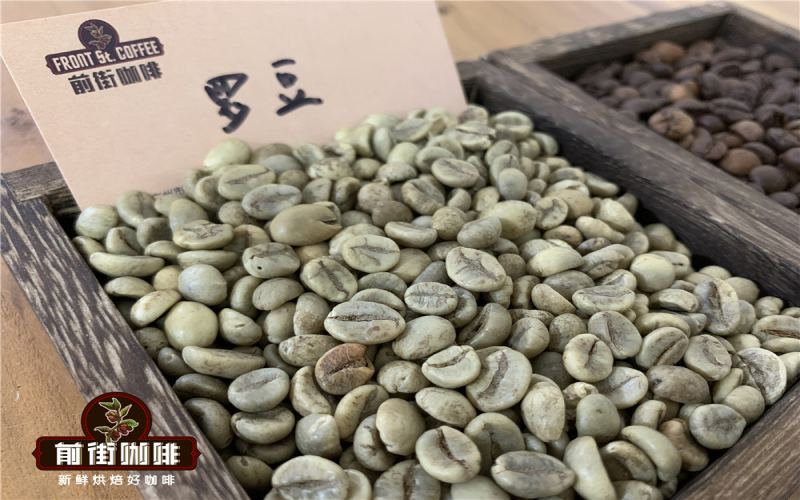
The Current State of the Robusta Coffee Bean Industry and Its Derived Varieties: From Misunderstood to Regaining Favor in Espresso Blends
People who drink coffee regularly are no strangers to the name Robusta. It is often labeled as "poor quality" and "unpleasant to drink," and its popularity falls far short of Arabica. But is this really the case? This article will help everyone get to know this unfairly stigmatized variety anew: from its botanical classification and origins, to its disease-resistant and high-yielding characteristics, to the bitter flavor brought by chlorogenic acid, and its irreplaceable role in espresso blends. Front Street will also share how, through Robusta blending, espresso can present rich crema and a creamy mouthfeel, offering beginners who want to try Robusta a starting point. [more…]

Coffee Flavors Beyond Bitterness: Explaining Caffeine's Energizing Principle and Recommending Non-Bitter Coffee Varieties for Beginners
Many people's first impression of coffee is bitterness, and some even believe that the more bitter the coffee, the better its quality. Is that really true? This article begins with the historical origins of the world's three major beverages, then sorts through coffee's botanical classification and its stimulating mechanism, focusing on answering two common questions: whether all coffee is bitter, and whether black coffee is better the more bitter it is. It also recommends several coffee beans that are not bitter and have highly distinctive flavors for coffee beginners, including popular products such as Front Street Yirgacheffe, Front Street Blackberry, and Front Street Mozart, to help you find the cup that suits your taste buds. [more…]
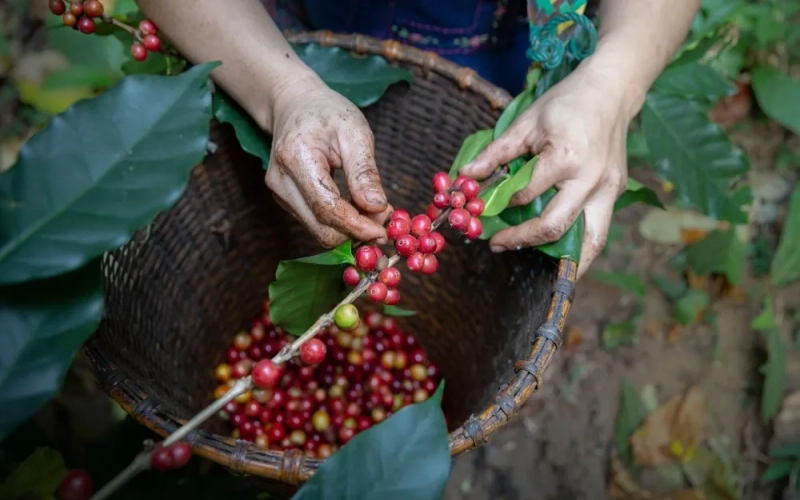
An Analysis of the Flavor Characteristics of Typica Coffee Beans: Flavor Differences Between Papua New Guinea Washed Typica and Blue Mountain
Typica is one of the oldest varieties in the Arabica family and the source of many classic flavors in the world of specialty coffee. This article begins with botanical classification, traces Typica's global spread and cultivation characteristics, and focuses on comparing the similarities and differences in flavor expression between Papua New Guinea washed Typica and Jamaican Blue Mountain Typica. The article also introduces several Typica single-origin coffees under the Front Street brand, including Front Street Jamaica Blue Mountain No. 1, Front Street PNG Paradise Bird, and Front Street 2013 Sun-Dried Typica, helping readers learn about the variety while finding an entry-level option suited to their own taste. [more…]